
Use casesCreative testing

Creative tests your AI agent runs, and you approve.

Know which creative won, and why, before you pay for the next one. Your AI agent freezes each test’s question and launches it paused.

7 days free with every feature. Cancel anytime.

Try asking
  • What should we test next, and why?
  • Commit the founder-hook test, judged on purchases.
  • Is the hook test ready to call?
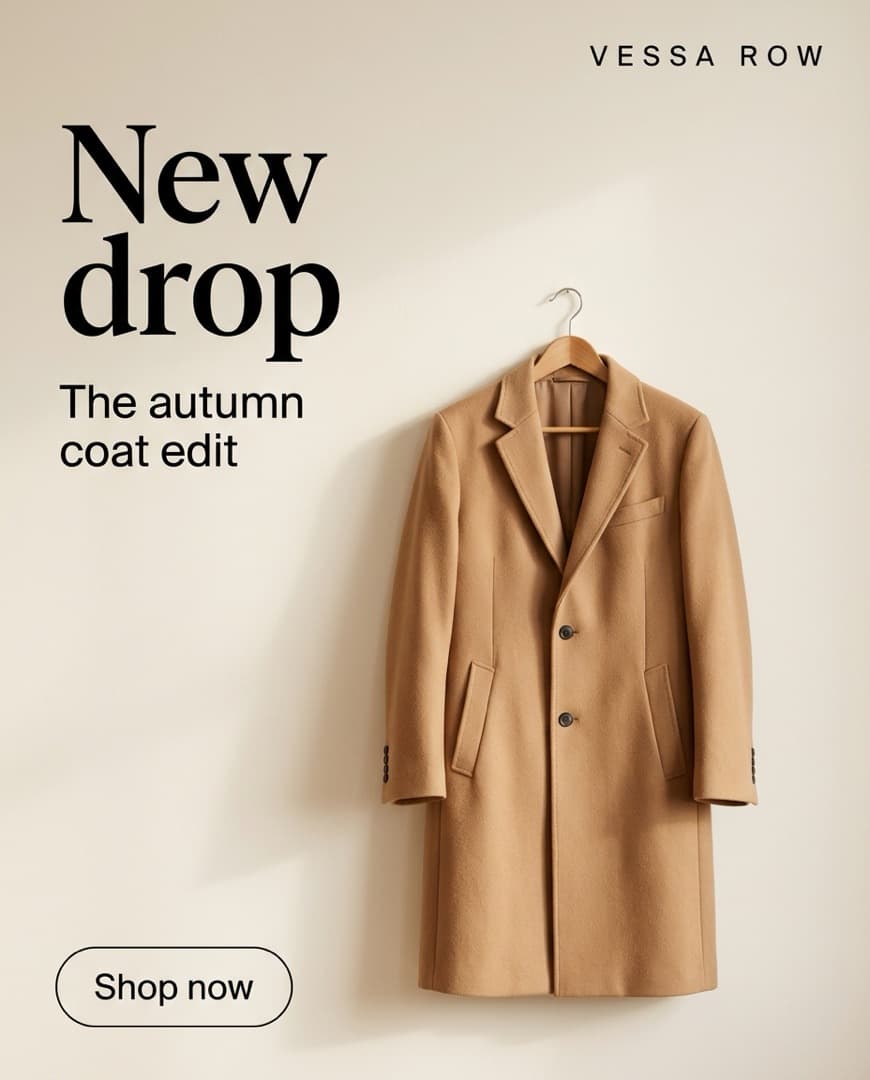
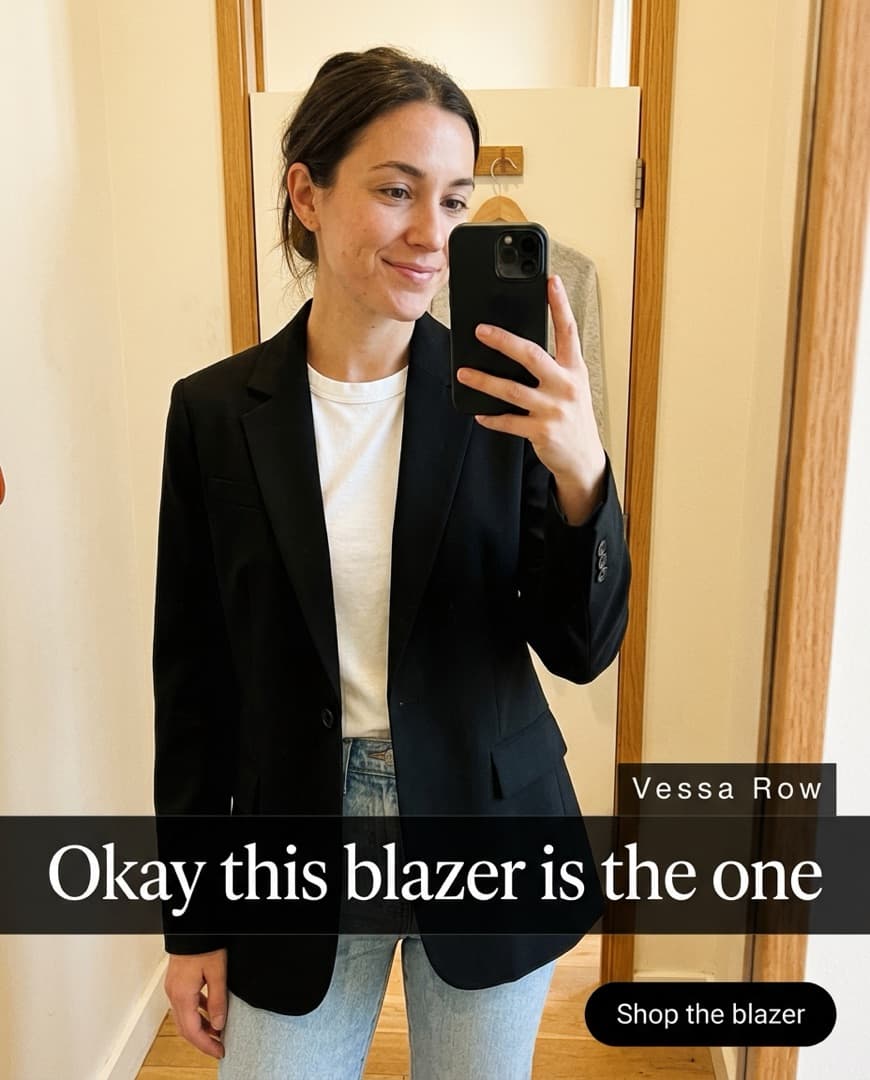
The test loop on an example account, Vessa Row, a fictional brand: question, brief, launch, observe, conclude, learning, with the real creatives the test sets against each other. The question is frozen, the launch is paused, low delivery is inconclusive and not a loss, and a learning waits for you to approve it. The lesson ranks the next question.

Why do creative tests go wrong?

Most creative tests fail before the first impression. The question was never written down, so any result can be read as a win.

  • “Nobody wrote down what we were testing.”

    Without a written question, the test becomes whatever the results say it was. Two weeks later nobody knows if the hook, the offer or the format did the work.

  • “We called a winner after two days.”

    Meta spends unevenly, so an ad that barely ran looks like a loser. Killing it on low delivery throws away an idea that never got a fair look.

  • “The learning lived in a Slack thread.”

    Someone found that founder hooks work on cold buyers. The thread scrolled away, and next quarter the same test ran again from zero.

Start from what each ad is, not what it’s called.

Win & Scale tags each creative with Values: the angle, persona, offer, format and hook it actually carries. Videos are read in full, so a test knows which idea every ad carries.

  • meta_tag_creatives files each ad under its Values, read from the creative, not the ad name.
  • meta_transcribe_creative reads what a video says, line by line, so the hook is the real first line.
  • meta_get_history_winners finds the hooks, angles and formats that bought more than their share of spend.
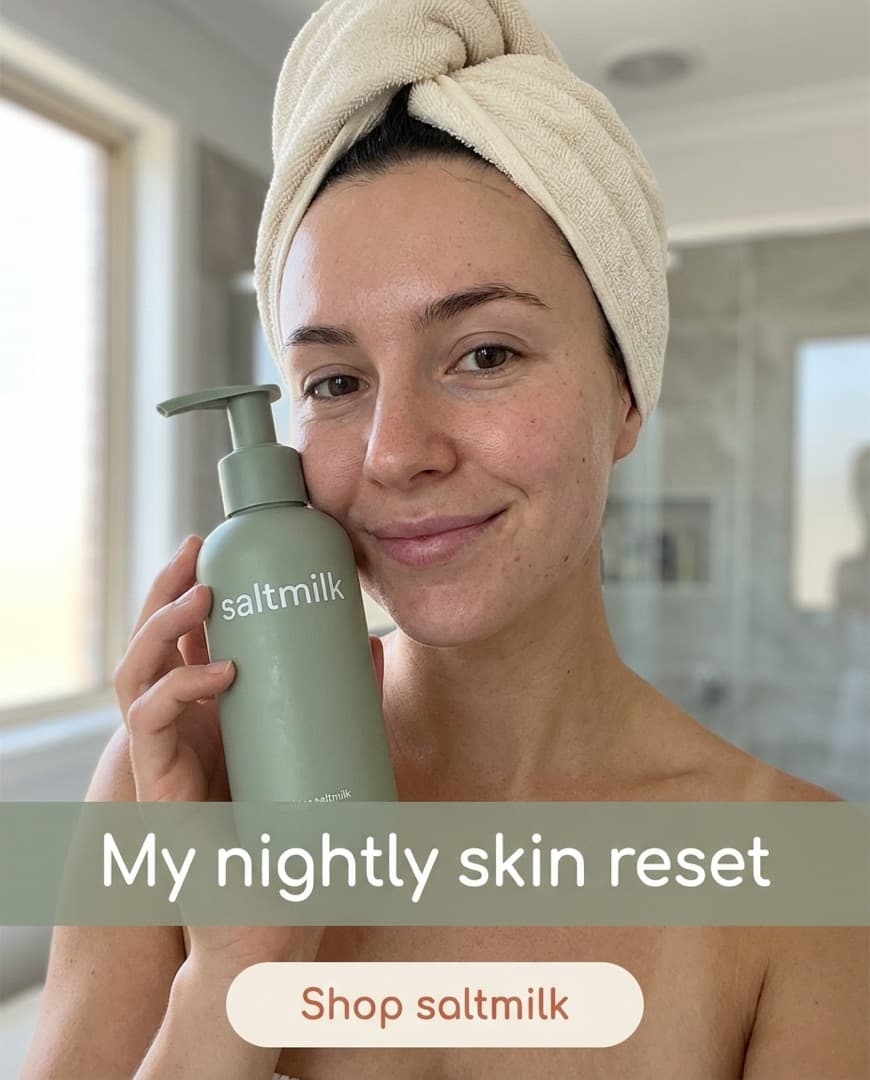
The Library window on its Creatives tab. Three example creatives from Saltmilk, a fictional skincare brand, are tagged with meta_tag_creatives: a routine reel, a selfie and a product shot, each filed under its Values. Below, the transcript of the reel, read with meta_transcribe_creative.

Write the question down before you spend.

Your agent turns a suggested next test into a committed test. Its hypothesis, its comparison and the rule that will judge it are frozen from that moment.

  • Every suggestion says what could mislead it and what would prove it wrong.
  • meta_list_learnings checks what earlier tests already answered, so a rejected idea doesn’t come back.
  • meta_create_test freezes the question. The database refuses an edit, even from your agent.
The Briefs window on its Tests tab. A suggested test for Vessa Row, a fictional brand: Selfie for the Capsule wardrobe shopper, set against the studio shot. It says what could mislead it and what would prove it wrong. Committing it calls meta_create_test.

Every ad is tied to its test. Spending waits for you.

Drafts, ads and launches carry the test’s id, so the result can only be read against the question it was built for.

  • meta_generate_draft makes image drafts from the brief, linked to the test.
  • meta_launch_ads creates the campaign, ad set and ads paused.
  • meta_activate is the one call that spends, and your agent asks you first.
An agent calls meta_launch_ads for Vessa Row, a fictional fashion brand, and gets back a paused launch: the campaign, the ad set and three ads, all Paused, with Activate waiting for the owner.

Low delivery is inconclusive. Never a loss.

Each observation is added to the record, never rewritten. A test is only called once its ads have delivered the volume the frozen rule asked for.

  • meta_observe_test reads the outcome and appends it, observational and labelled so.
  • meta_conclude_test writes one final verdict: supported, rejected, inconclusive or invalid.
  • The lesson becomes a proposed learning, and it counts only once you approve it.
A live test for Vessa Row, a fictional brand, day 4 of 7, question frozen, two observations. The selfie has 2 of the 10 purchases its rule asked for, so the reading is inconclusive and too early. Below it, one proposed learning from a concluded test: a delivery date in the first line beats a discount for returning buyers. It counts only once you approve it.

What can you ask your AI agent mid-test?

Ask the way you would ask a media buyer who keeps notes. Your agent checks the evidence before it answers.

  • Evidence checkWhich of our numbers shouldn’t I trust before we test anything?
  • What to testWhat should we test next, and what would prove it wrong?
  • CommitCommit the founder-hook test, judged on purchases against the baseline.
  • Ready to call?Answered in the conversation: Is the founder-hook test ready to call? Don’t change anything.
  • Launch pausedBuild the three founder videos into a launch for that test. Leave it paused.
  • What we learnedWhat have our concluded tests taught us about hooks?
Claude Code · winandscale connected

Is the founder-hook test ready to call? Don’t change anything.

  1. meta_get_evidence_healthsynced 3h ago
  2. meta_get_testquestion frozen Oct 2
  3. meta_observe_testInconclusive
  4. meta_conclude_testafter day 7Nothing changed

Not yet. The founder hook has 2 of the 10 sales its rule asked for, on day 4 of a 7-day wait. I added that as an observation. Low delivery is inconclusive, so nothing was paused.

Questions, answered

Everything else is in the docs.

Can an AI agent run Meta creative tests?
Yes, with Win & Scale your AI agent commits a test with its question frozen, launches its ads paused and records every outcome. You approve the launch and the lesson.
Is a Win & Scale test a Meta A/B test?
No, a Win & Scale test is observational, because Meta chose who saw each ad, and every observation says so. Win & Scale doesn’t use Meta’s A/B testing API.
What happens when a test barely spends?
A test that barely spends stays inconclusive. Win & Scale calls a test only after its ads deliver the volume and wait the time its rule set at commit.
Can my agent change a test after it starts?
No, the question, the comparison and the evidence behind a Win & Scale test are frozen once it is committed. A changed mind is a new test that supersedes the old one.
How much does Win & Scale cost?
Every plan starts with a 7-day free trial that includes every feature. After it, each ad account pays a flat monthly price set by its ad spend, starting at $49 a month for up to $10k of monthly spend.
Which AI agents work with Win & Scale?
Win & Scale works with Claude Code, Claude, Cursor, Codex, ChatGPT, Gemini CLI, Windsurf and any client that signs in to a remote MCP server. Headless agents connect with an rsk_ API key.

Stop guessing which ad won. Test the next one, paused.

Start a 7-day free trial with your website. Every test your agent launches stays paused until you approve it.